Guide
Microblading: the complete guide
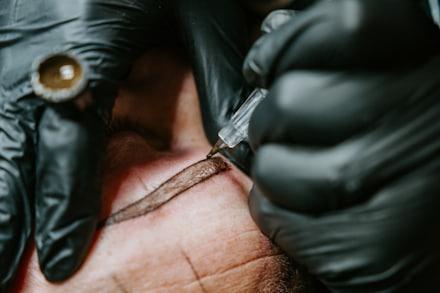
Quick answer
Microblading is a manual tattooing technique that deposits pigment in fine, hair-like strokes to mimic the look of natural brow hairs.
The procedure
What is microblading?
Microblading is a manual tattooing technique that deposits pigment in fine, hair-like strokes to mimic the look of natural brow hairs. It's best suited to people who want a defined-but-natural shape and have normal-to-dry skin.
A full result is built over two appointments - the initial session and a touch-up six to eight weeks later - and typically lasts one to three years before a refresh is recommended.
The appointment
What happens at a microblading appointment
A typical appointment runs one to two hours - and much of that is planning and design, not needle time, so you approve the look before any pigment goes in.
- Consultation
You talk through the look you want, your health history, and your skin type - which is what decides whether this technique (or a different brow technique) is the right fit for you.
- Mapping & design
The artist measures and maps the brow shape to your face, then draws it on so you can see and approve it before anything permanent happens. This is usually the longest part of the appointment - and the most important.
- Pigment selection
Color is matched to your brow hair and your skin's undertone, planned for how it will look healed - softer and lighter than day one - not just how it looks in the bottle.
- Numbing
A topical numbing cream goes on before the work starts and is usually topped up during it, so most clients feel pressure and light scratching rather than pain.
- Application
The artist works in passes with a fine hand tool, placing hair-like strokes that follow your natural growth pattern, checking symmetry as the shape builds.
- Review & aftercare handoff
You check the result together, the artist makes any final adjustments, and you leave with written aftercare instructions and the touch-up booked for six to eight weeks out - the appointment that completes the result.
Before you go
How to prepare for microblading
- Avoid blood thinners such as aspirin and fish oil for a day or two beforehand - with your doctor's okay.
- Pause retinoids and exfoliating acids near the area for about a week.
- Skip alcohol and caffeine on the day - both increase bleeding and sensitivity and make numbing less effective.
- Don't book right before a vacation or big event: the area needs a couple of weeks to heal and settle.
- Tell your artist about any medications, allergies, or skin conditions at the consultation so they can plan safely.
- Arrive with your brows in their natural state - no waxing, tinting, or strong facials in the days right before.
- Bring inspiration photos of brow shapes you like.
Anything involving medication - blood thinners especially - is between you and your doctor: never stop a prescribed medicine for a cosmetic appointment without their okay.
Healing & aftercare
What microblading healing looks like
- Day 1-3
Strokes look bold and noticeably darker than the final result - this is normal and expected.
- Day 4-10
The area flakes lightly as it heals. Do not pick or scratch - pulling flakes off early can pull pigment out with them.
- Day 10-14
A brief 'ghosting' stage where color can look faint or patchy as the skin finishes settling underneath.
- Week 4-6
True healed color emerges, softer and more natural than day one. This is when the touch-up appointment refines any unevenness.
Realistic results & expectations
- Healed color is softer and lighter than the bold day-one look - judge the result at four to six weeks, not day three.
- A brief 'ghosting' stage where strokes look faint or patchy is a normal part of healing, not a failed result - the color settles back as the skin finishes healing underneath.
- Results vary by skin: oilier skin heals softer and more diffused, which is why your artist may have recommended a different technique at consultation.
- No two brows on a face are naturally identical, so expect close balance, not mirror-image symmetry - the touch-up is where any unevenness is refined.
Local climate affects healing too - humidity can lengthen the flaking stage and strong sun fades healed pigment faster. Each city page notes the local climate consideration alongside its real microblading artists.
Longevity & touch-ups
How long microblading lasts
Results typically last one to three years - less on oily skin, longer on normal-to-dry.
Fades faster with
- Oilier skin, which breaks pigment down faster than normal-to-dry skin
- Regular unprotected sun exposure on the healed area
- Retinoids and exfoliating acids used over or near the area
Lasts longer with
- Daily SPF on the healed area - the single biggest thing you control
- Keeping exfoliating skincare (acids, retinoids) away from the area
- A timely maintenance touch-up before the color fades too far
The touch-up six to eight weeks after the initial session completes the result - it refines shape and fills anything that didn't fully take. After that, a maintenance color refresh every one to two years keeps the brows looking fresh; leaving it much longer means the artist may have to do more to revive faded color, so a timely top-up is usually the simpler, cheaper path.
Is it right for you?
Who microblading suits
Good candidate
- Normal-to-dry skin that holds fine lines well
- Wanting the most natural, hair-stroke brow look
- Sparse or over-plucked brows needing definition
Worth flagging first
- Oily or combination skin - strokes can blur faster; ask your artist about nano, powder, or combination brows instead
- Very active lifestyles with heavy daily sweating during the healing window
Usually deferred
- Pregnant or breastfeeding - most artists defer any PMU procedure until after
- Active skin infection, irritation, or a healing wound in the brow area
- Taking blood thinners without your doctor's clearance
This is general guidance, not medical advice or a diagnosis. Always confirm suitability with your artist - and your doctor, if you have a relevant health condition - at a consultation before booking.
Color & pigment
How color works for microblading
Brow pigment is chosen against your brow hair and your skin's undertone - not straight off a swatch chart - and how it ages matters as much as how it looks on day one.
Undertone matching
Skin reads warm, cool, or neutral underneath its surface tone, and pigment interacts with that. A shade that looks right in the bottle can heal too warm or too cool if the undertone is ignored - which is why a good artist assesses your skin before mixing, rather than picking by hair color alone.
How brow pigment ages
Healed color fades gradually rather than disappearing, and as it fades it can drift slightly warmer or cooler depending on the pigment's base and your skin. A maintenance touch-up is where the artist rebalances tone, not just tops up saturation.
Depth and the healed shade
The final shade depends on how deep the pigment sits as well as what color it is - pigment placed too deep tends to heal cooler and grayer than intended. It's one of the clearest reasons experienced application matters, and why healed portfolio photos tell you more than fresh ones.
Working over old color
Previous brow work that has drifted warm or cool changes the plan: the artist may need corrective color to neutralize the old tone, or recommend lightening it first, before the shade you actually want can heal true.
Why prices vary
What drives microblading pricing
Session count
Most quotes bundle the initial session with the touch-up 6-8 weeks later - a single up-front price for a two-visit result, not a per-visit rate.
Artist experience & demand
More experienced, high-demand artists typically charge toward the top of the local range; newer artists or those building a book price lower.
Correction of prior work
If you're covering or blending existing brow tattooing, expect a premium over a first-time result - correction work takes more skill and planning.
Studio location
Studios in busier, higher-cost neighborhoods within the same city tend to sit at the upper end of the local range.
These are the factors behind the range - not a quote. Each city page shows the real local microblading price spread from studios listed there.
How they compare
Microblading vs. the alternatives
| Feature | Microblading | Nano Brows | Powder Brows | Combination Brows |
|---|---|---|---|---|
| Tool | Hand tool (blade) | Single-needle machine | Shading machine | Hand tool + machine |
| Finish | Fine hair-like strokes | Fine hair-like strokes | Soft, shaded, makeup-look fill | Strokes at front, shading through tail |
| Best-suited skin | Normal to dry | Most types, incl. oily & mature | Oily & combination | Most types |
| Typical longevity | 1-3 years | 1-3 years | 2-3 years | 2-3 years |
| Sessions to complete | 2 (initial + touch-up) | 2 (initial + touch-up) | 2 (initial + touch-up) | 2 (initial + touch-up) |
| Reads most natural | Partially (front strokes) |
Fixing or removing old work
Correction & removal options
Because microblading fades over one to three years, minor shape or color changes are usually handled at a touch-up or a future refresh - no removal needed. Removal enters the picture for older, darker, or misshapen work you want lightened before a corrective or fresh result.
Saline removal
Saline removal tattoos a salt-based solution into the area to draw pigment up and out as it heals. It suits most colors and delicate facial areas - including brow and lip skin - and works gradually over the session series.
Laser removal
Laser removal uses targeted light to break pigment into particles the body clears naturally. It can be faster on some inks, though facial work and certain colors need an experienced technician.
Plan for several sessions - most people need three to six or more, spaced about six to eight weeks apart so the skin fully recovers between each. Older, lighter, or shallow work clears faster; dense, dark, or deeply placed pigment takes longer, and complete removal can't be guaranteed.
If the goal is fresh work over a cleaner base, the area must be fully healed first - usually at least eight weeks after the final removal session, sometimes longer - before any new permanent makeup goes in.
Full guide: saline tattoo removalBefore you book
Questions to ask a microblading artist
- Can I see healed results - not just fresh, day-of photos - on skin and features similar to mine?
- Are you licensed to do this work here, and does the studio use single-use, sterile needles?
- What exactly does the quote include - is the touch-up covered, and what does a later maintenance refresh cost?
- Which technique and pigment would you recommend for my skin, and why?
- What does aftercare involve, and how do I reach you if something looks off while I'm healing?
- What happens if I want an adjustment at the touch-up - is that included?
- Will my skin hold fine strokes well - or would you steer me toward powder, combination, or nano brows instead?
Timing
The best time of year for microblading
There's no wrong season for brows - there's a wrong two weeks. The flaking and settling window means no heavy sweating, swimming, saunas, or direct sun for roughly the first two weeks, so book so that window doesn't collide with a beach vacation, race training, or long days outdoors. Many clients simply find that easier to arrange outside peak summer.
Count back from events: a complete result is the initial session plus a touch-up six to eight weeks later, with healed color at its best from about week four onward each time. For a wedding or a big event, that means starting around three months out, not three weeks.
Whatever season you book, the rule after healing is the same year-round: daily SPF on the brows is what protects the color through the high-UV months.
Local climate shapes the detail - each city page notes its own climate consideration alongside the real microblading artists there.
Find an artist